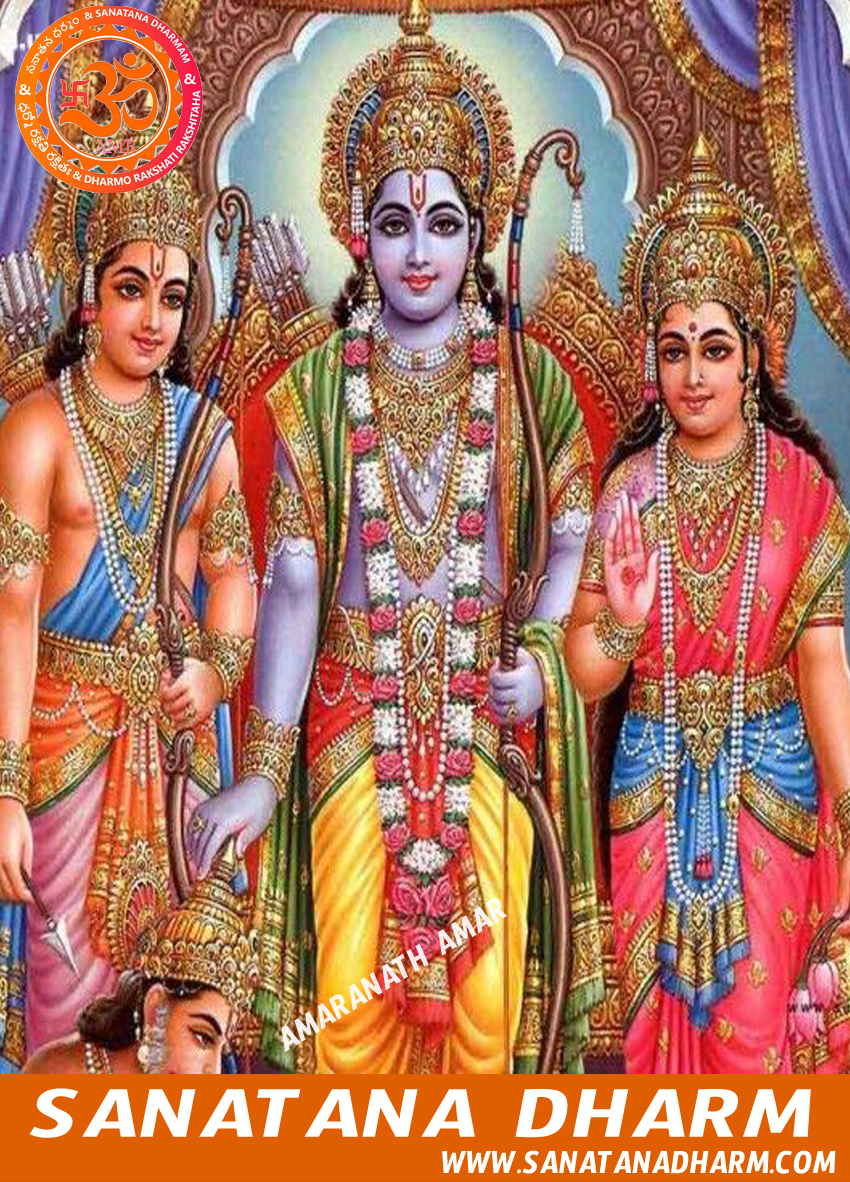
On seeing Seetha wearing bark of trees like a helpless woman, eventhough protected by her husband all the people there loudly cried out: "Fie upon you, Dasaratha!"
उसकी लम्बी अनुपस्थिति में, जो स्वामी की थी, सब लोगों ने दशरथ को धिक्कारते हुए कहा, "धिक्कार है तुम पर!"
Pained by that loud cry there, King Dasaratha lost interest in his life, religious merit and esteem.
उस राजा ने उस भयानक मृत्यु को देखकर अपने जीवन, धर्म और यश से विश्वास खो दिया।
Ayodhya Kanda – Sarga 38 · v3
स निह्श्वस्य उष्णम् ऐक्ष्वाकः ताम् भार्याम् इदम् अब्रवीत् |
कैकेयि कुश चीरेण न सीता गन्तुम् अर्हति || २-३८-३
Dasaratha with a warm sigh, spoke to his wife these words. "Oh, Kaikeyi! Seetha does not deserve to go with a robe made of Kusa grass."
यह सुनकर, इक्ष्वाकुवंशी राजा दशरथ ने गहरी साँस ली और अपनी पत्नी कैकेयी से कहा, "हे कैकेयी, सीता को छाल के वस्त्र पहनकर वन में जाने की अनुमति नहीं है।"
Ayodhya Kanda – Sarga 38 · v4
सुकुमारी च बाला च सततम् च सुखोचिता |
नेयम् वनस्य योग्येति सत्यमाह गुरुर्मम || २-३८-४
"My preceptro truly says that Seetha, who is delicate young and ever habituated to comforts, is not fit for forest-life"
मेरी गुरु माँ ने सच कहा था कि यह कोमल, छोटी और हमेशा सुख की अभिलाषी कन्या वन के लिए उपयुक्त नहीं है।
Ayodhya Kanda – Sarga 38 · v5
इयम् हि कश्यापकरोति किंचि |
त्तपस्विनी राजवरस्य कन्या |
या चीरमासाद्य जनस्य मध्ये |
स्थिता विसम्ज्ञा श्रमणीव काचित् || २-३८-५
"has this pitiable daughter of Janaka, the jewel of kings, done any harm to any one that, having obtained a bark of tree she is standing like a hermitess dumbfounded in the midst of men?"
यह तपस्विनी, जो किसी राजपुत्र की कन्या है, किसी श्रमणी की तरह, जो थोड़ी देर के लिए अचेत होकर लोगों के बीच पड़ी हो, वैसी ही प्रतीत होती है।
"Seetha the daughter of Janaka need not wear these barks of trees. No such pledge was given be me earlier. hence, let this prinecess go to the forest happily fully provided ewith all valuable possesssions."
जनक की पुत्री के वस्त्र तो पहले से ही दिए हुए हैं। यह मेरी प्रतिज्ञा नहीं है। राजकुमारी अपनी सारी संपदा के साथ सुखपूर्वक वन को जाएं।
"A Cruel pledge has been made on oath by me, who do not deserve to survive. This (providing robes of hermitess to Seetha) has been initiated by you by sheer childishness. That will consume me, as by its own flower to a bamboo."
इस श्लोक का सरल हिंदी अनुवाद इस प्रकार है: मैंने जीवन भर के लिए एक क्रूर प्रतिज्ञा की थी, जो नियम से बंधी थी। तुमने बचपन से ही इसे स्वीकार किया है, इसलिए यह मुझे उसी तरह जलाएगी जैसे स्वयं का फूल बाँस को जलाता है।
Ayodhya Kanda – Sarga 38 · v8
रामेण यदि ते पा पे किंचित्कृतमशोभनम् |
अपकारः क इह ते वैदेह्या दर्शितोऽधमे || २-३८-८
"Oh evil woman! (Even) supposing a little offence is done by Rama to you, what harm was displayed to you here by Seetha? Oh, mean woman!"
हे नीच! यदि राम ने तुम्हारे लिए कुछ भी अनुचित किया हो, तो वैदेही (सीता) ने तुम्हारा क्या बिगाड़ा है?
Ayodhya Kanda – Sarga 38 · v9
मृगीवोत्फुल्लनयना मृदुशीला तपस्विनी |
अपकारम् कमिह ते करोति जनकात्मजा || २-३८-९
"What harm on earth can be done to you by Seetha, who has blooming eyes like those of a female deer, soft in disposition a practiser of penance?"
वन की हिरणी जैसी आँखों वाली, कोमल स्वभाव वाली, तपस्यारत जानकी ने तुम्हारा क्या बिगाड़ा है?
Ayodhya Kanda – Sarga 38 · v10
ननु पर्याप्तम् एतत् ते पापे राम विवासनम् |
किम् एभिः कृपणैः भूयः पातकैः अपि ते कृतैः || २-३८-१०
"Oh, the evil woman! Sending Rama to exile thus indeed is enough for you. What use is there for you in further doing these wretched, sinful acts too.
हे राम, तुम्हें वनवास देना ही पर्याप्त था। फिर इन दीन-दुखियों को और अधिक पापों से क्यों कष्ट पहुँचाया?
"Hearing the speech you gave to Rama who came here for coronation, only that much was acceded by me, Oh queen!"
हे देवी, आपने मुझसे जो कहा था, उसे मैं स्वीकार करता हूँ। आपने मुझे बताया था कि आप राम के राज्याभिषेक के लिए यहाँ आई हैं।
Ayodhya Kanda – Sarga 38 · v12
तत्त्वेतत्समतिक्रम्य निरयम् गन्तुमिच्छसि |
मैथिलीमपि या हि त्व मीक्षसे चीरवासिनीम् || २-३८-१२
"Transgressing all that, you somehow or other wish to go to hell, by perceiving Seetha also clad in bark of trees.
यह श्लोक रामायण के सुंदरकांड से लिया गया है। इसका सरल हिंदी अनुवाद इस प्रकार है: हे रावण, तुम इस सत्य को पार करके नरक में जाना चाहते हो? तुम उस सीता को भी देख रहे हो जो लंबे समय से वस्त्रहीन (या दुखी) है।
Ayodhya Kanda – Sarga 38 · v13
इतीव राजा विलपन्महात्मा |
शोकस्य नान्तम् स ददर्श किंचित् |
भृशातुरत्वाच्च पपात भूमौ |
तेनैव पुत्रव्यसनेन मग्नः || २-३८-१३
That high-souled king thus lamenting, did not see any ending to that sorrow. Drenched as he was in excessive devotion to his son and having been hurt vey much, he fell down on the ground.
यह सुनकर महात्मा राजा अत्यंत विलाप करने लगे। वे अपने शोक का कोई अंत नहीं देख पा रहे थे। पुत्र के दुःख से व्याकुल होकर वे धरती पर गिर पड़े, मानो उसी दुःख में डूब गए हों।
Rama, who was setting out to the forest, spoke these words to his father, who was speaking thus bowing down his head, sitting there.
इस प्रकार कहते हुए पिता को देखकर, राम वन को चले गए। उन्होंने सिर झुकाए बैठे हुए पिता से यह वचन कहा।
Ayodhya Kanda – Sarga 38 · v15
इयम् धार्मिक कौसल्या मम माता यशस्विनी |
वृद्धा च अक्षुद्र शीला च न च त्वाम् देव गर्हिते || २-३८-१५
"Oh, virtuous king! This glorious Kausalya, my mother is aged. She is not of base nature and will not accuse you.
यह यशस्वी कौशल्या मेरी माता हैं। वे वृद्ध, उत्तम चरित्र वाली हैं और हे देव, निंदित नहीं हैं।
"Oh, the bestower of boons! You are worthy of amply respection her, who is deprived of me, who is immersed in an ocean of sorrow and who has not see such an affliction earlier."
हे वरदान देने वाले प्रभु, मुझसे विरहित होकर यह शरणागत स्त्री शोक के सागर में डूब गई है। इसने पहले कभी ऐसा कष्ट नहीं देखा, इसलिए इसे क्षमा करने योग्य आप ही हैं।
"Having been honoured by you the venerable man, she the pitiable woman will not get such a grief for her son, thinking of me alone and she will draw breath in you."
पुत्र के शोक से दुखी वह तपस्विनी, तुम्हारी पूजा करके, तुम्हें स्मरण करती हुई जीवित रहेगी।
Ayodhya Kanda – Sarga 38 · v18
इमाम् महा इन्द्र उपम जात गर्भिनीम् |
तथा विधातुम् जनमीम् मम अर्हसि |
यथा वनस्थे मयि शोक कर्शिता |
न जीवितम् न्यस्य यम क्षयम् व्रजेत् || २-३८-१८
"Oh, the king akim to the mighty Indra the ruler of gods! You must see that my mother, who has high affection towards her son, will not depart to the house of Yama the God of Death, by abandoning her life being emaciated by grief after my departure for the forest."
हे महान इंद्र, इस गर्भवती स्त्री की रक्षा करें, जो वन में रहते हुए शोक से पीड़ित है। मेरी पत्नी को ऐसी शक्ति दें कि वह जीवित रहे और मृत्यु के पास न जाए।
Ayodhya Kanda – Sarga 38 · v19
इति वाल्मीकि रामायणे आदि काव्ये अयोध्य काण्डे अष्टा त्रिंशः सर्गः
Thus completes 38th chapter of ayodhya Kanda in glorious Valmiki Ramayana, the work of a sage and the oldest epic.
यह वाल्मीकि रामायण के आदि काव्य के अयोध्या कांड का अड़तीसवाँ सर्ग है।